Beaches of
NormandyTours
NormandyTours
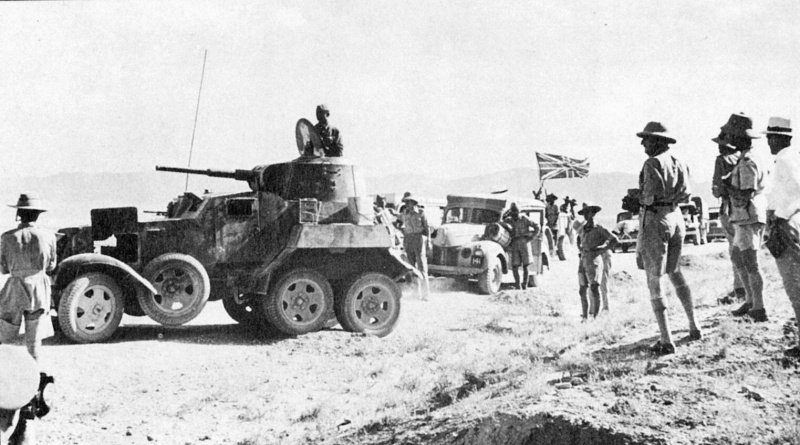
Direct British-Soviet cooperation was rare in World War II due to the physical distance separating the two powers. One of the rare examples was the joint Anglo-Soviet invasion of Iran in August 1941, which was also an unusual event for Allied powers attacking a neutral nation. With Iran heavily featured in the news these days (and in the context of war), we thought it appropriate to dust off this relatively obscure chapter of World War II history and share the story of how Iran became the victim of circumstance and two major Allied nations.
At the beginning of the 20th century, Persia was a failed state: weak, poor and divided under the inefficient rule of the Qajar dynasty. To make things worse, it was in the crosshairs of three major powers: the Ottoman Empire, Tsarist Russia, and the British Empire. By the end of the 19th century, the Persian government required Anglo-Russian approval for ministerial appointments, and a 1907 Anglo-Russian treaty explicitly divided the country into British and Russian spheres of interest. The nation’s bank notes were issued by the Imperial Bank of Persia, a British institution operating under British law.
The British found significant oil deposits in Western Persia in 1908. The refinery built at Abadan to refine the oil was the world’s largest such facility for 50 years. The company set up to take advantage of the oil fields was the Anglo-Persian Oil Company; one of their notable early customers was the First Lord of the Admiralty, one Winston Churchill (Churchill – Part I)(Part II), who was shifting the Royal Navy from coal- to oil-powered engines, and needed the fuel.
Persia tried to remain neutral in World War I, but both British and Imperial Russian troops (on the Entente side) and Ottomans (on the Central side) operated in the country’s territory with impunity. Interestingly, Persia’s new hope for independence and strength arose in the midst of this humiliating period.
Reza Khan (1878-1944) joined the Persian Cossack Brigade at the age of 14. Following the style of Russian Cossack cavalry forces, the brigade was the Qajar dynasty’s most effective military unit. It was originally led by Tsarist Russian officers, but the Russian Revolution left the unit under British control, fighting against the new Soviet regime. Reza Khan rose through the ranks, becoming brigadier-general and commander of the entire brigade by 1921.
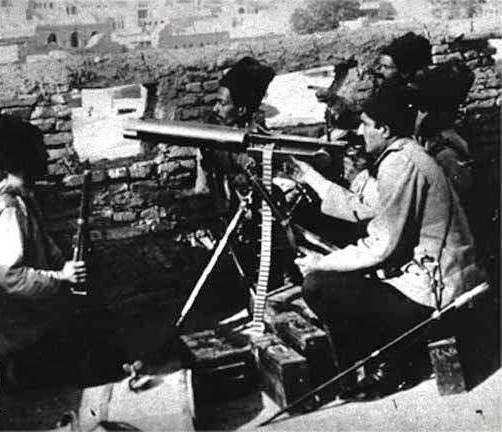
In February the same year, he marched on the capital city of Tehran and seized power, ousting the Qajar dynasty. He did this with partial support from the British, who saw this as a way of preventing the Soviet Union from seizing even more influence in the country. He was appointed prime minister, and eventually crowned Shah (“king”) in 1925.
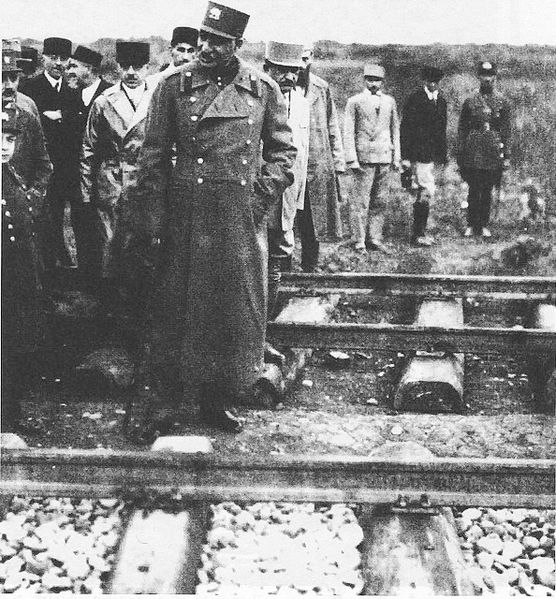
Reza Shah, who took “Pahlavi” as the family name for his dynasty, undertook a massive modernization of the country. He asked other nations to abandon the official use of the word “Persia,” traditionally a foreign designation, and adopt “Iran,” the country’s ancient endonym. He reduced clerical influence over the state, soothed over ethnic tensions, established European-style education and Western social roles for women. He built factories, banks, communications systems and a national railway and road infrastructure. It should be noted that modernization did not come with democratization: power resided with the Shah and the military, not with parliament, and he was described as favoring punishment over reward when dealing with subordinates.
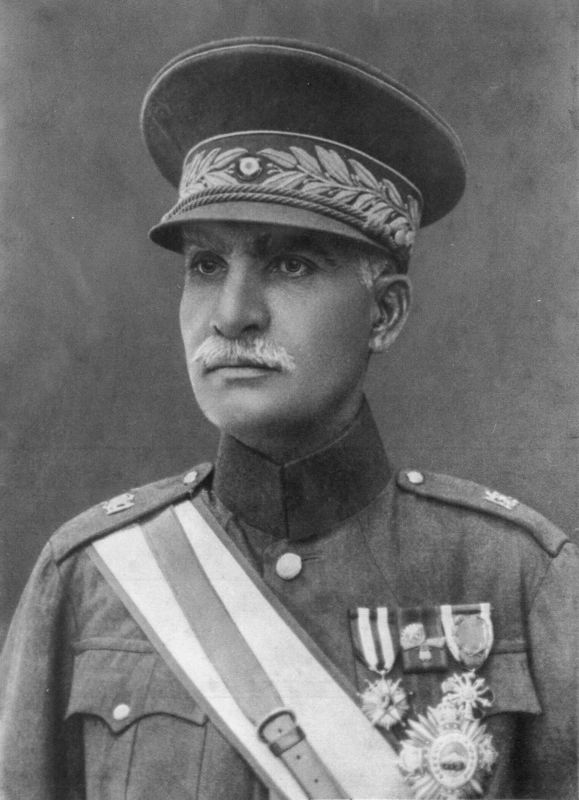
Reza Shah’s foreign policy was a careful balancing act. He strongly opposed Soviet attempts to extend communist influence over Iran, but was also wary of the British counterbalance. In 1932, he unilaterally cancelled the oil concession given to the Anglo-Iranian Oil Company, as it only gave Iran 16% of the net profits; a new concession was negotiated.
Reza Shah reached out to third parties to make sure neither Britain nor the Soviet Union gained undue power in Iran. He hired many American consultants to help set up the nation’s new financial and administrative systems. Another valued contributor was Germany, which sent hundreds of technical experts to help with infrastructure developments such as a railroad system connecting the Persian Gulf in the south to the Caspian Sea in the north. (Some historians claim this was a poor economic investment, and only really benefited the British who wanted a way to quickly transport their forces across the countries in case of a war against the Soviet Union.
The German connection proved particularly fruitful once Adolf Hitler rose to power. (Becoming Führer) Nazi racial ideology considered the Iranians to be the “ancient Aryans,” and thus kin to the “modern Aryans,” the Germans. Germany gave Iran a coveted steel factory, declared the Iranians immune to the Nuremberg Laws, and compared the Shah to Hitler in propaganda. For his part, Reza Shah admired Hitler – not because of his racist policies, but because of the similarity of their careers: they bot had humble beginnings, served as soldiers, and became autocratic leaders after disposing a weak and corrupt regime. By the late 1930s, Germany was Iran’s largest trading partner. Overall, the Shah’s foreign policy revolved around playing the Soviets off against the British, and keeping other partners, most importantly Germany, as a third leg to stand on. All in all, he managed to maintain a neutral but amicable position toward Western nations.
This policy failed when Hitler invaded the Soviet Union in June 1941, rearranging the global system of alliances by forcing the Soviet Union and Britain on the same side. The two Allies (the U.S. was aiding them economically (America’s Politics Before World War II), but was not yet a belligerent nation) had to reassess their politics towards Iran. They came to the conclusion that whatever their previous stance was, a neutral Iran, especially one friendly with Germany, was a problem for several reasons.
First, Iranian oil, extracted near the Gulf of Persia and refined at the Abadan Refinery, was vital for the Allied war effort. If Iran allied with Germany, German troops could immediately cut off this lifeline. (Germany itself was suffering from a lack of oil, but it’s not clear how the Iranian oil would have helped them directly, as there would have been no realistic way of transporting the oil to Germany. Still, denying Britain the oil would have been a major strike against the Allies in itself.)
Still on the note of oil, the major Soviet oil fields along the east and west shores of the Caspian Sea were close to Iran’s northern border. German forces in Iran could have easily launched an offensive against these. (Historically, Hitler tried to advance on these fields from the north and was stopped at Stalingrad.)
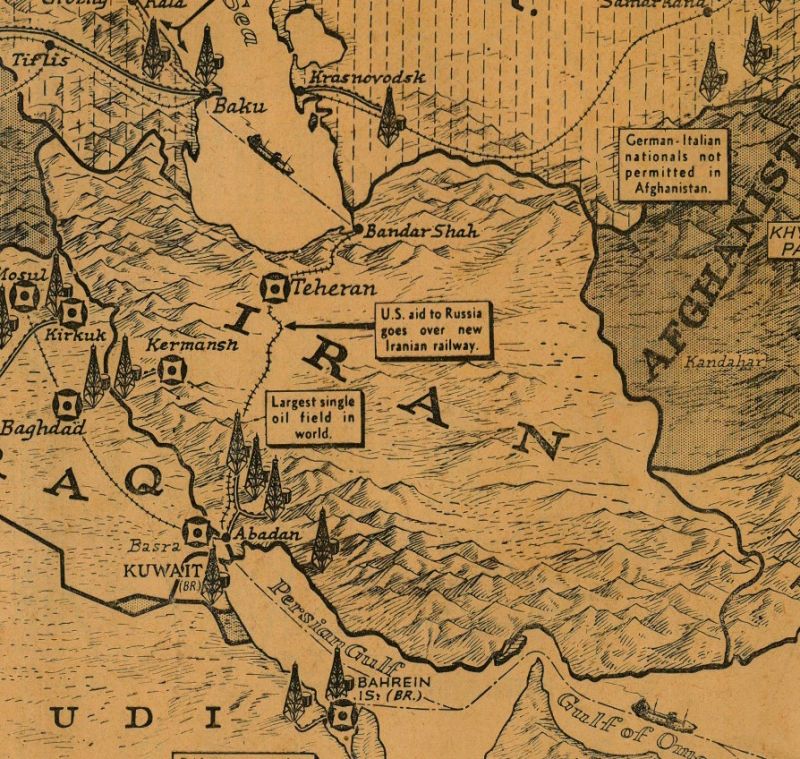
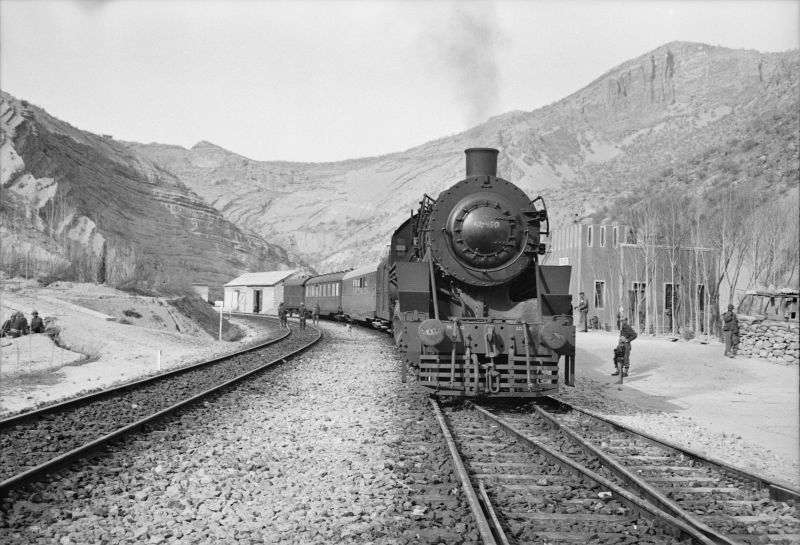
Another matter of import was a potential land connection between the Soviet Union and British territories in North Africa. Lend Lease supplies (The Secrets of Lend-Lease) originating from the U.S. could either cross the Pacific and risk Japanese attacks (though the Japanese never actually attacked, as they were wary of provoking the Soviet Union’s ire), or the torturous route across the Arctic, where they were exposed to German raids. The north-south Iranian railway network was an alternative: convoys could go around Africa, unload in Iran, and cross the country into the Soviet Union by rail or road. This, of course, would only work if Iran allowed it.
A German presence in Iran would have cut off the local oil and the supply route to the Soviet Union. It would have also threatened both the Soviet Union with an invasion from the south, and British holdings in the region from the east – at a time when the British in North Africa were already pressed hard from the west. On a larger, strategic level, it was also feared that Germany might try to create a land bridge between Germany and Italy in Europe and Japan in the Far East. Syria and Lebanon, formerly, parts of the French Empire, were under Vichy control. Iraq was temporarily taken over by a pro-Nazi coup in May 1941 (though the British quickly quelled it). Iran was a logical extension of this Axis expansion, followed by an invasion of British India. If India fell, all Axis powers would have been connected by a land route.
In light of all the potential troubles an Axis-Iran alliance could cause, Britain and the Soviet Union decided to prevent it in the simplest way: by invading an occupying Iran. There was no casus belli, an “acceptable” reason for war; it was a case of “needs must when the Devil drives” with a dose of “might makes right.” The Allies made one flimsy attempt to justify their actions by sending two diplomatic notes to Iran in the summer of 1941, demanding the expulsion of German residents. Iran refused, and the invasion began on August 25, 1941, about a week after the second demand.
The forces arrayed had vast disparity. Iran had a total of 9 divisions, only some of them motorized, and only two equipped with tanks. The total armored force included some 50 Czech AH-IV tankettes, up to 100 armored cars, and 100 tanks, World War I-era French Renauld FT-s and Czech TNH-s. (The latter was the export version of the LT vz. 38, many of which served in the German Army as the Panzer 38(t)). Artillery was mainly light guns, with 100 howitzers and many mortars. The air force comprised a mix of obsolete British, French and Russian biplanes, only about 40 of which were in flying condition. There are unconfirmed claims of ten American P-40 Tomahawks, a much more modern design at the time, but these might have been still in their shipping crates. The navy was composed of two small, Italian-built sloops (like destroyers but slower, and designed for coastal patrol, anti-aircraft and anti-submarine duties) and 10 smaller patrol boats.
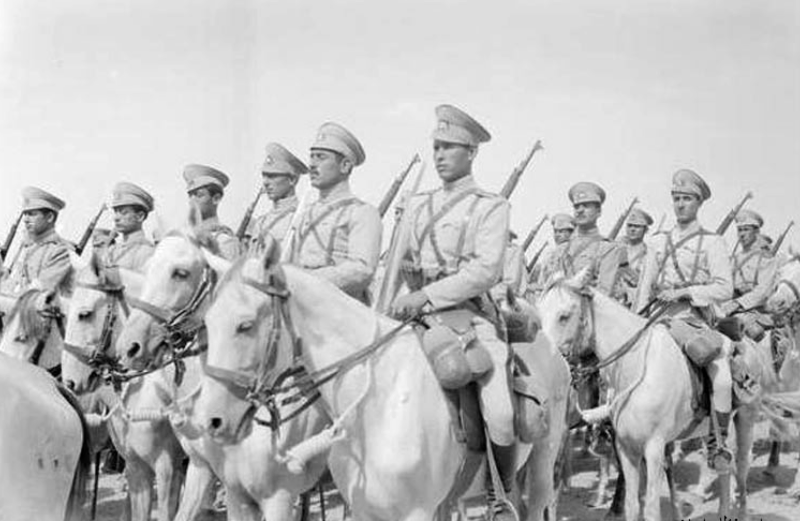
The Allied invasion force overmatched the Iranian defenders by a vast margin. The British naval contingent comprised British and Australian ships: four sloops, several smaller craft and an armed merchant cruiser. British ground forces were two divisions, one of them commanded by the same Major-General William Slim (William Slim – from Defeat to Victory) who would achieve tremendous success in Asia later in the war, and three brigades. The Soviets committed three entire armies with about 1,000 tanks and 400 fighter planes.
The attack had three major axes and caught the Iranians by surprise. The British-Australian naval contingent engaged Iranian ships and landed troops at several locations in the northwest end of the Persian Gulf, rapidly securing the vital Abadan Refinery and several other coastal targets. Seven Axis merchant ships were captured in port and an eighth one scuttled. Gholamali Bayandor, the commander of the Imperial Iranian Navy, was killed in action while defending the coast. Commodore Cosmo Graham, commander of the attacking force, wrote his "death was regretted by all who knew him. He was intelligent, able, and faithful to Persia."
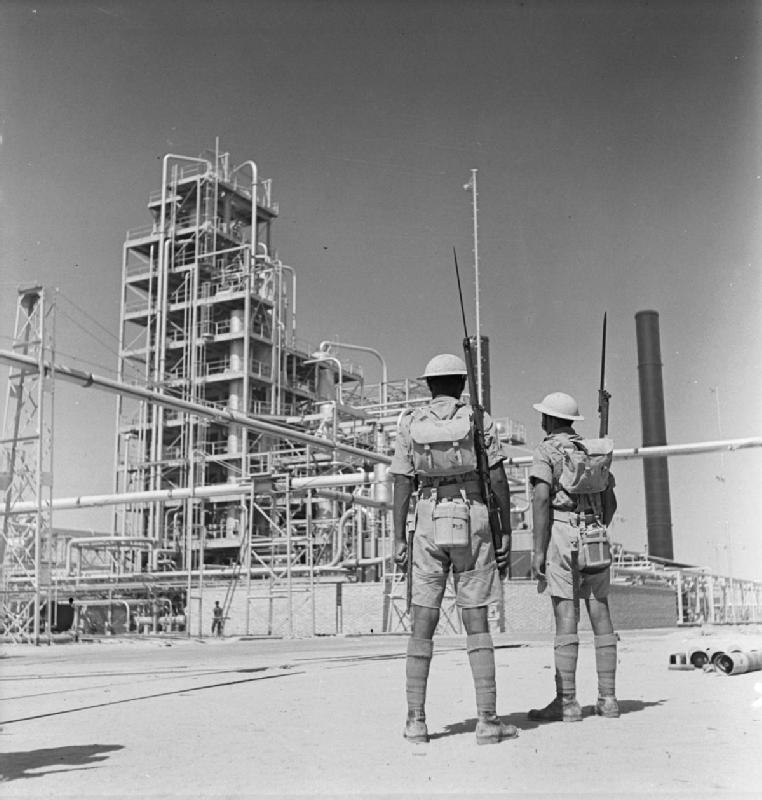
The bulk of the British ground forces were located in Iraq (which had been recaptured from the Nazi coup by this time) and advanced across the border. They reached the city of Ahvaz in two days, where the Iranians had dug in with tank and artillery support. A bloody siege was averted on August 29, when word of a ceasefire came down from the Iranian government. British and Iranian commanders on the ground agreed that the Iranians would stay at their posts and keep their weapons, but would be joined by British troops, who would also carry out a parade in the city. British residents of the city were safely escorted to the invading forces by Iranian soldiers.
Further north, Slim’s 10th Indian Infantry Division broke through the border (with Slim’s command car once engaged by an Iranian anti-tank gun), secured the Naft-e Shah oil field, and reached the city of Kermanshah by the time of the ceasefire. Kermanshah was then declared an open city and British forces moved in without opposition.
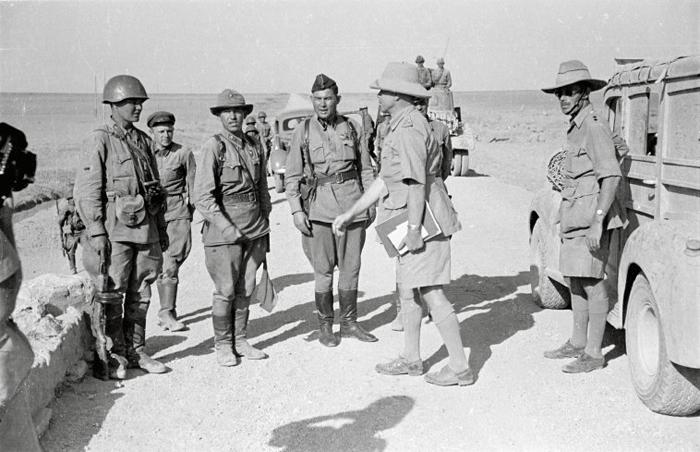
The Soviet invasion force overwhelmed Iranian defenses in the north, destroying much of the Iranian air force on the ground. Iranian defenses melted away in many places. Brigadier-General Qaderi, commander of Iran’s 15th Division, abandoned his solid and well-motivated troops. He sabotaged their situation even further by having the division’s supply truck unload all the food and weapons to make space for his personal belongings.
There were some instances of the Iranians putting up a good fight. At the city of Bandar Pahlavi (Bandar-e Anzali today) on the Caspian coast, the defenders managed to foil a Soviet amphibious landing; lacking coastal artillery, they used 75 mm field guns, only firing them when there were no Soviet aircraft overheard to spot the artillery positions. In another location, three Iranian soldiers held a critical bridge until they ran out of ammunition and were killed – the Soviets could not use artillery against them for fear of destroying the bridge.

The Iranian military was in chaos by August 28-29. The skies and large parts of the country were under full Allied control. The capital of Tehran was experiencing air raids and food and water shortages; the Soviet Air Force dropped leaflets over the city to warn the population of massive bombardments should they not capitulate. The Shah and his son, the Crown Prince, fled to the city of Isfahan 270 miles (440 km) further south. (It should be noted that while many Iranian officers were incompetent, many others harbored British sympathies and deliberately sabotaged the war effort.)
Several Iranian generals held a secret meeting to discuss surrender options. When Reza Shah learned of this, he struck General Ahmad Nakhmajan, the head of the armored forces, on the head with his case, ripped off his rank insignia, and almost had him shot, only relenting at the Crown Prince’s request.
The Shah removed pro-British Prime Minister Ali Mansur and replaced him with Mohammad Ali Foroughi, a former prime minister, and ordered a ceasefire for negotiations.
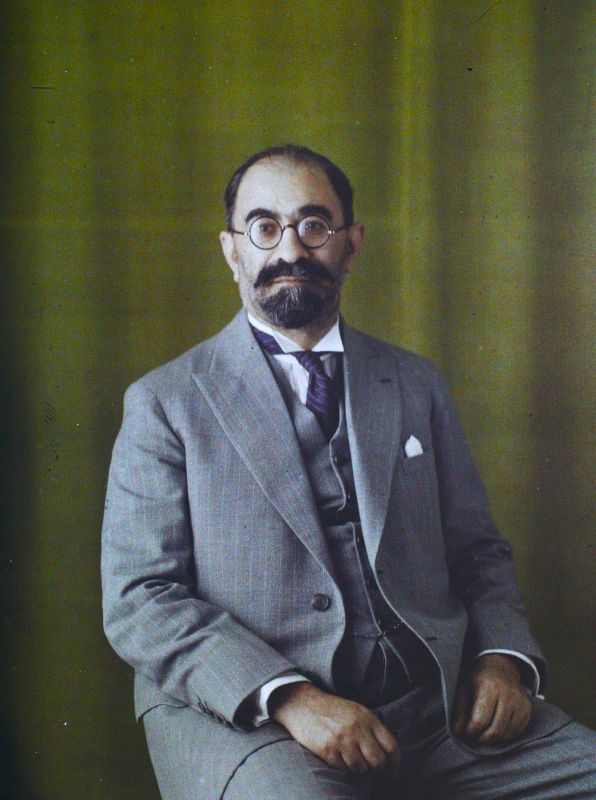
Picking Foroughi as the new prime minister, and the person who would be carrying out the negotiations, was a mistake. Foroughi had every reason to hate the Shah: he removed him from the prime minister’s seat before for political reasons, and had his son shot. Instead of trying to get a favorable settlement with the British, Foroughi implied that the people wanted to be “liberated” from the Shah’s rule. The British agreed to remove the Shah and withdraw from Iran if Axis legations were closed and German nationals handed over to British or Soviet forces. When he heard the deal, the Shah delayed on the last part, and instead organized a secret evacuation of Germans from the country to Turkey. The Soviets reacted to the Shah’s defiance by entering Tehran on September 17. Reza Shah abdicated (in a letter written in Foroughi’s hand).
The losses sustained during the invasion were surprisingly low, but still one-sided. British losses were 32 killed and 50 wounded. The Soviets lost 40 men. Iranian losses were roughly 850 killed, including civilians.
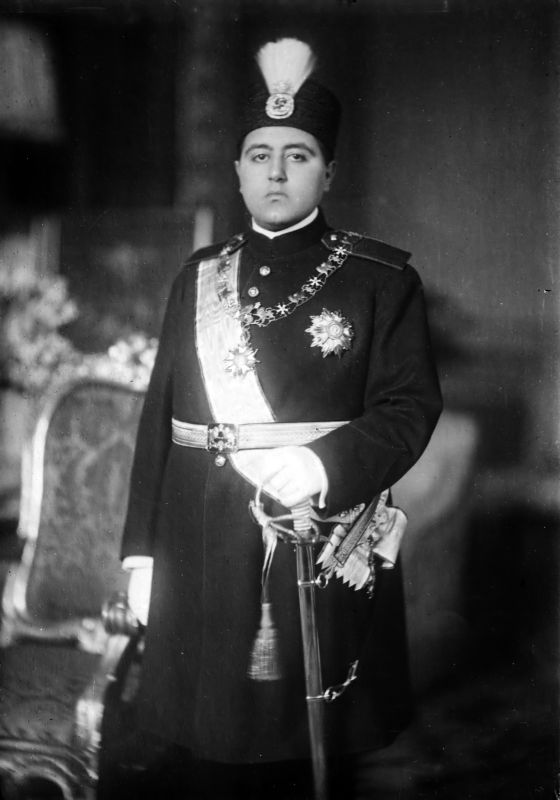
The British wanted to restore the previous Qajar dynasty, but the heir, Hamid Hassan Mirza, was a British citizen (and naval officer) and spoke no Persian, making him an unsuitable candidate. In the end, the Crown Prince, Mohammad Reza Pahlavi took the oath to become Shah. His father tried to flee but was arrested; he was exiled first to British Mauritius and then to South Africa, where he died in 1944.
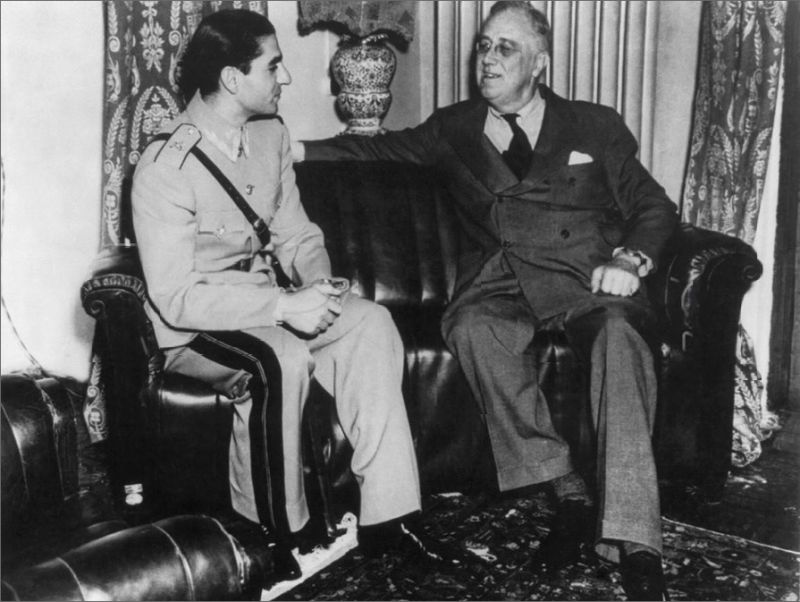
The new shah cooperated with the Allies fully. The rail and road network known as the Persian Corridor became a major Lend-Lease route: 45% of all Lend-Lease supplies sent to the Soviet Union went through there.
The new Shah signed a Tripartite Treaty with Britain and the Soviet Union in January 1942, in which the occupying powers promised to leave the country not more than six months after the war’s end. In 1943, Iran hosted the Tehran Conference (Planning World War II – Part I) (Part II), at which Roosevelt, Churchill (Churchill – Part I)(Part II) and Stalin reaffirmed Iran’s eventual independence and promised economic assistance. Iran was officially considered to be an allied, rather than an occupied country.
Nevertheless, Iran paid a high price. The state bureaucracy was heavily damaged by the war. Food became scarce, especially after the Soviets took most of the harvest in the north, and a new prime minister, appointed with British pressure, mismanaged the food supply and the economy. Bread riots broke out in Tehran, inflation spiked to 450%, and there were several famine deaths. Nevertheless, there was virtually no armed resistance to the Allied occupation.
The British kept their word and left he country after the war’s end. The Soviets, on the other hand, created two separatist people’s republics in Northern Iran and tried to stay, precipitating an international crisis in early 1946. This was one of the first major crises of the Cold War, and only ended when intense American pressure forced the Soviets to withdraw. Mohammed Reza Pahlavi continued to rule as an authoritarian but pro-Western head of state until he was ousted by the Islamic Revolution of 1979, which installed the current regime.




Beaches of Normandy Tours
Beaches of Normandy Tours SAS, Normandy, France
Band of Brothers Tours
Band of Brothers Tours FZCO, Dubai, UAE